BACK
BACK


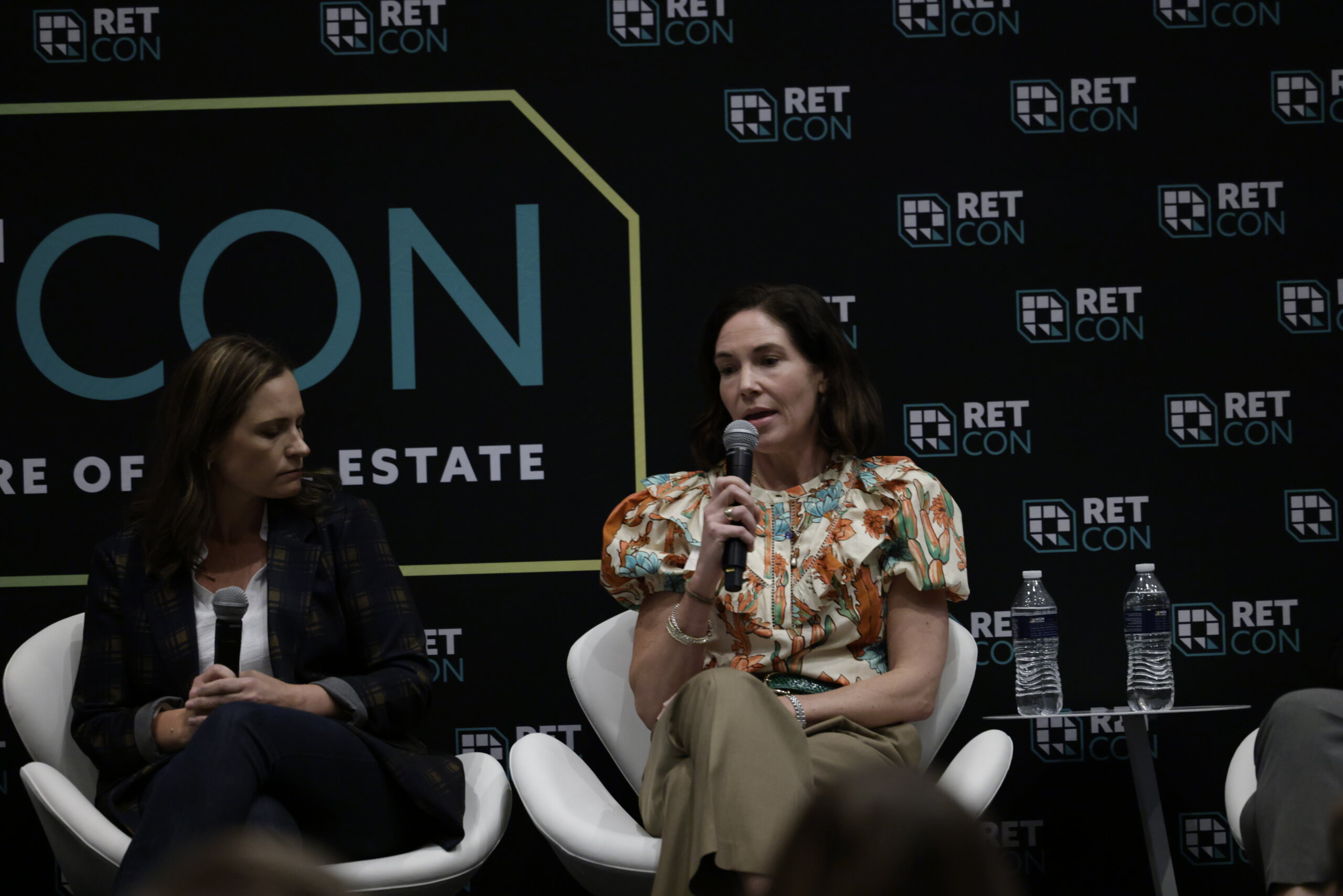
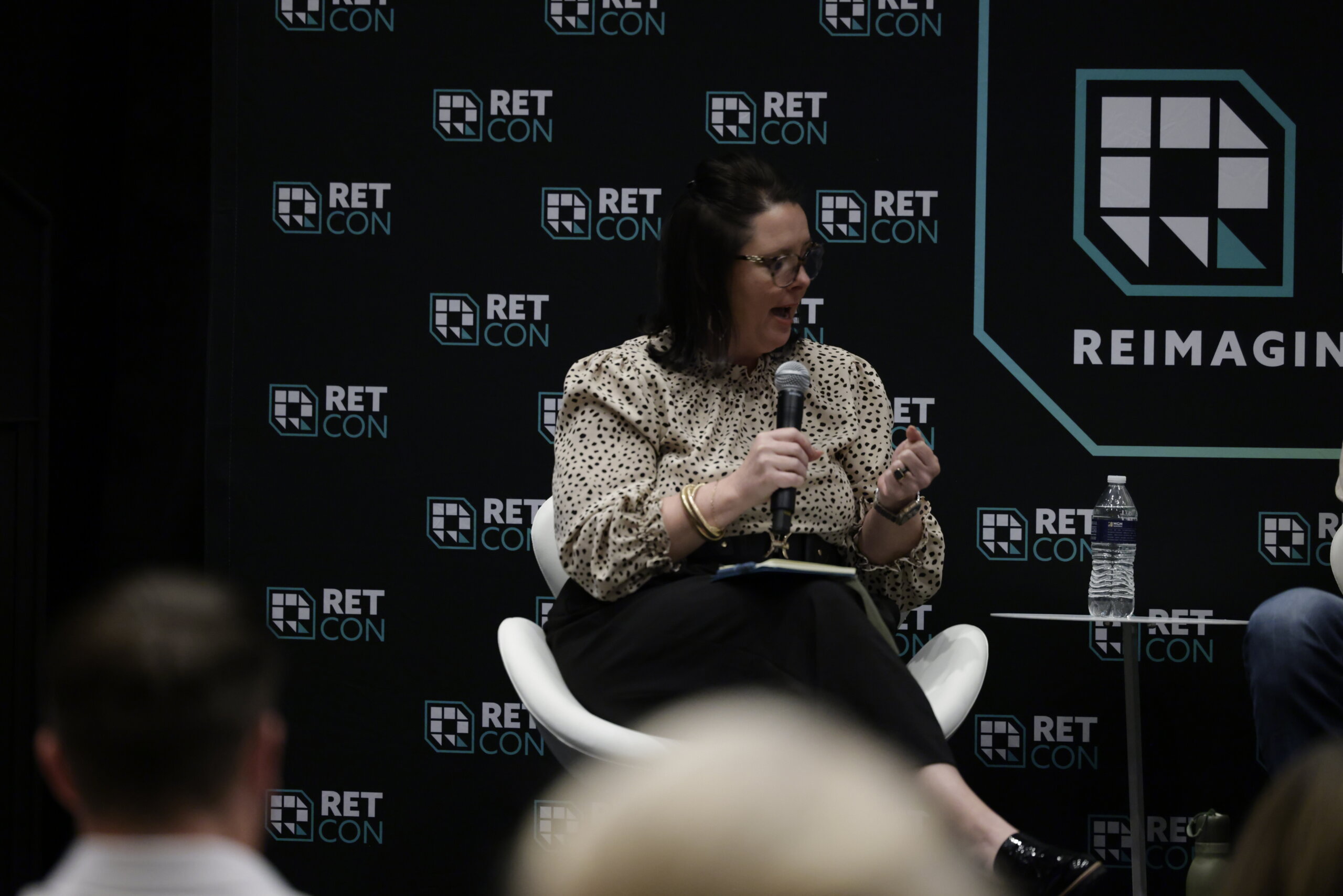
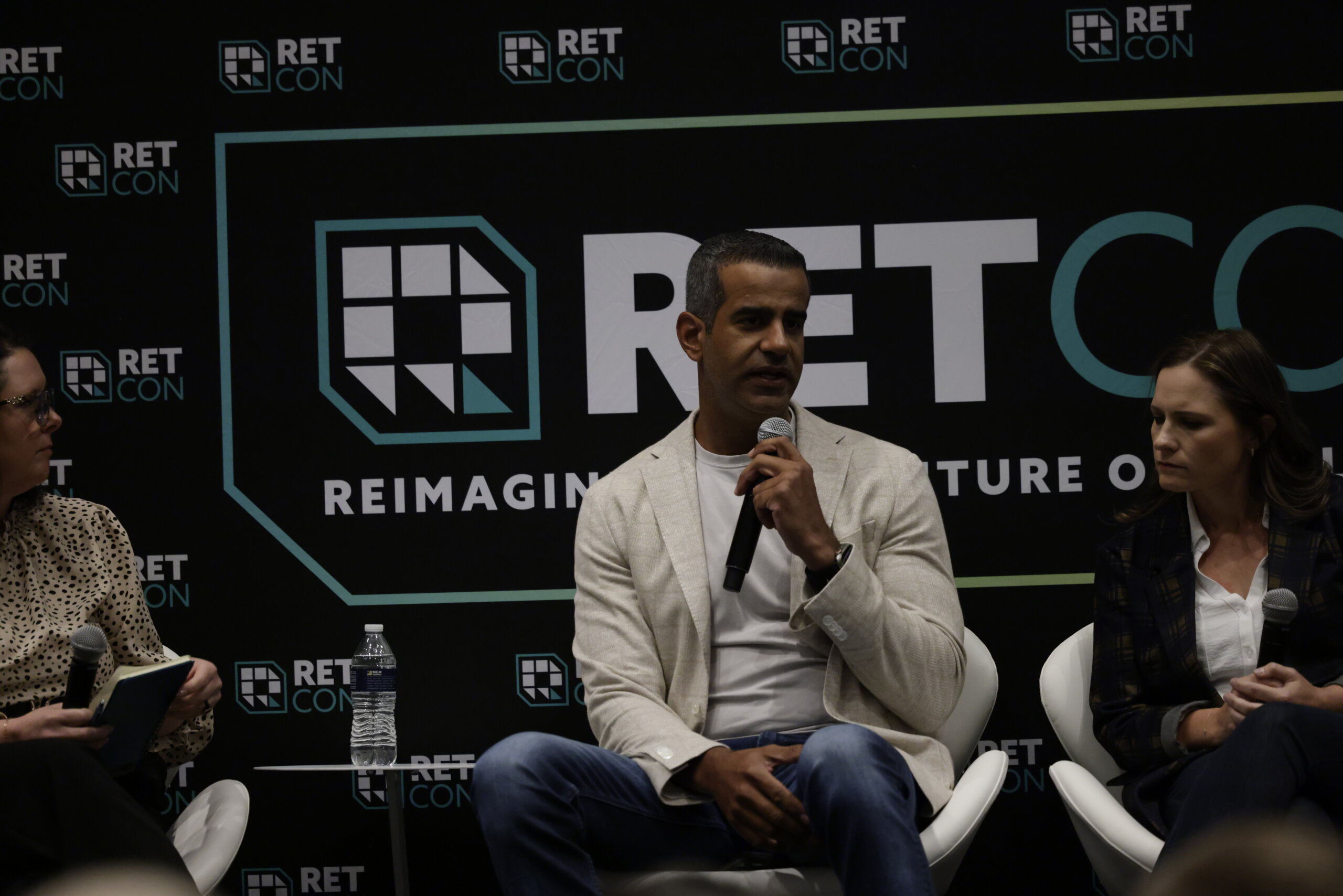
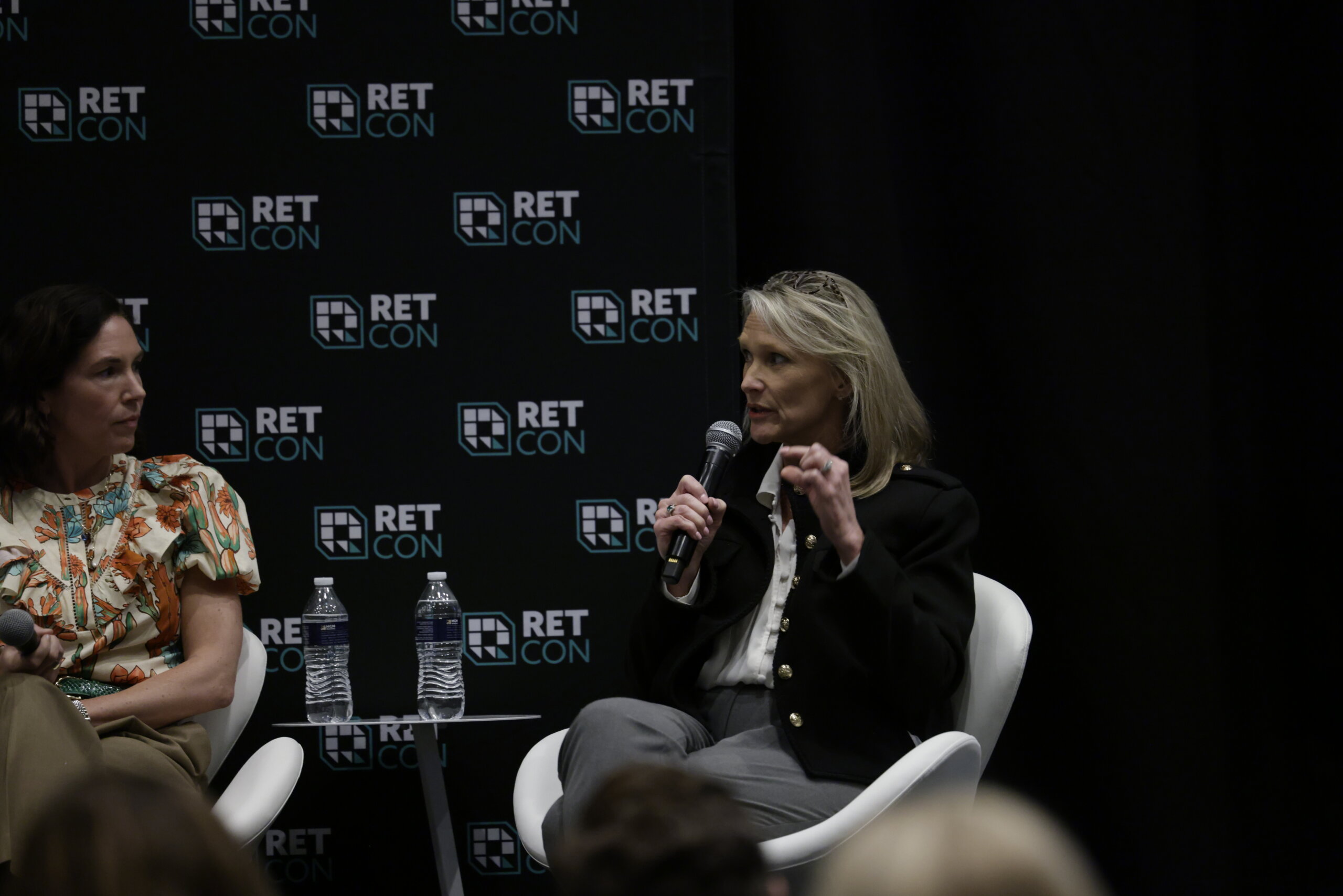
At RETCON 2026, one message came through loud and clear during the session “From Lead to Lease: Rethinking the Multifamily Leasing Journey”: the traditional leasing process is no longer enough for today’s renter.
As renter expectations continue to evolve, multifamily owners and operators are being challenged to rethink every touch point across the resident journey. From AI-driven discovery to frictionless leasing experiences and hyper-personalized resident engagement, the conversation highlighted how technology is fundamentally reshaping the future of multifamily operations.
The discussion centered around a growing reality across real estate: prospects now expect the same seamless digital experiences they receive from industries like hospitality, retail, and streaming platforms. Leasing is no longer just about availability and pricing. It is about convenience, trust, speed, personalization, and consistency across every interaction.
One of the biggest themes throughout the session was the rise of AI as the new discovery layer for apartment search. As artificial intelligence becomes increasingly integrated into how renters research communities, property websites are evolving into something much larger than digital brochures. Operators discussed the importance of creating strong digital trust signals through accurate pricing, updated amenities, transparent information, and consistent online experiences that can be recognized and surfaced by AI-powered search tools.
The panel also explored how renters are becoming more self-directed throughout the leasing process. Today’s prospects often complete extensive research before ever speaking with a leasing agent, which means the industry must focus on reducing friction at every stage of the journey. The goal is no longer simply generating leads. It is creating a seamless path from first interaction to signed lease while minimizing repetitive questions, disconnected systems, and unnecessary delays.
Artificial intelligence was positioned not as a replacement for leasing teams, but as a tool that allows teams to focus on the interactions that matter most. Panelists emphasized that AI can take over repetitive operational tasks, freeing leasing professionals to spend more time building relationships, creating trust, and delivering meaningful resident experiences. In a market where differentiation is increasingly difficult, human connection remains one of the industry’s most valuable assets.
Another major trend discussed was the growing importance of unified data strategies. The panel highlighted that personalization cannot exist without connected systems and centralized data. Multifamily operators are beginning to recognize that fragmented platforms create fragmented experiences for residents. To deliver truly tailored experiences, organizations need integrated ecosystems that allow teams to understand resident behavior, preferences, communication history, and operational needs in one place.
The conversation around measurement and success also reflected a broader industry shift. Rather than focusing exclusively on lead volume, operators are beginning to prioritize resident sentiment, retention, loyalty, and long-term value. Technology investments are increasingly being evaluated based on how they improve the resident experience and strengthen relationships over time.
Looking ahead, the panel predicted that multifamily is moving toward an era of hyper-personalization powered by AI. Over the next several years, the resident experience could become dramatically more connected and intuitive. The discussion explored a future where personal AI agents act as centralized resident concierges, helping manage maintenance requests, communications, services, scheduling, and everyday interactions through a single intelligent hub.
As multifamily continues to evolve, the session reinforced that the future of leasing will belong to organizations that successfully balance operational efficiency with human-centered experiences. The companies leading the next era of resident engagement will not simply adopt new technology. They will use it to create smarter, more connected, and more personalized experiences that residents genuinely value.